
Phonics and Early Reading
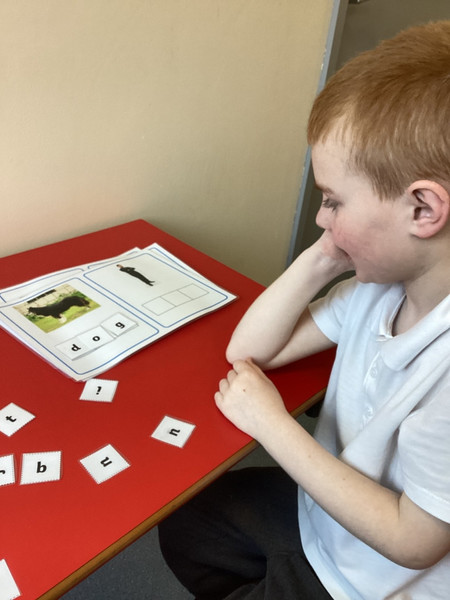
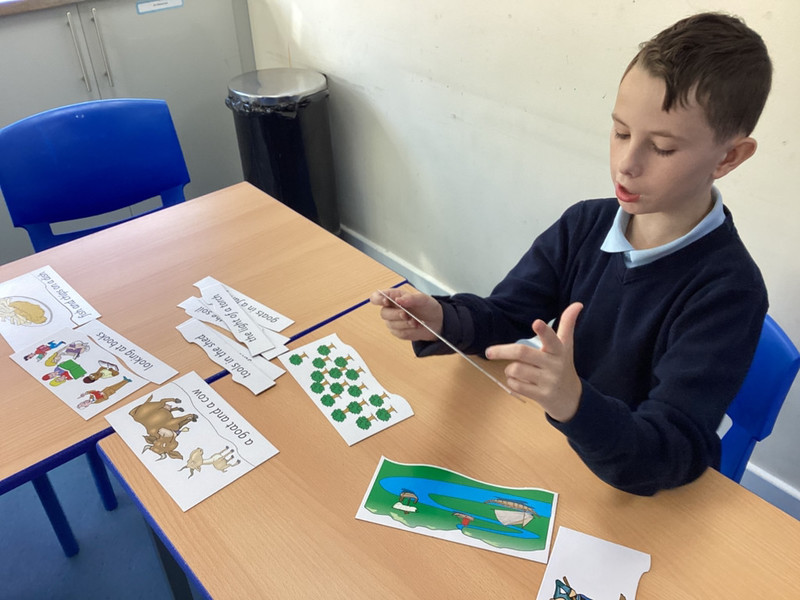
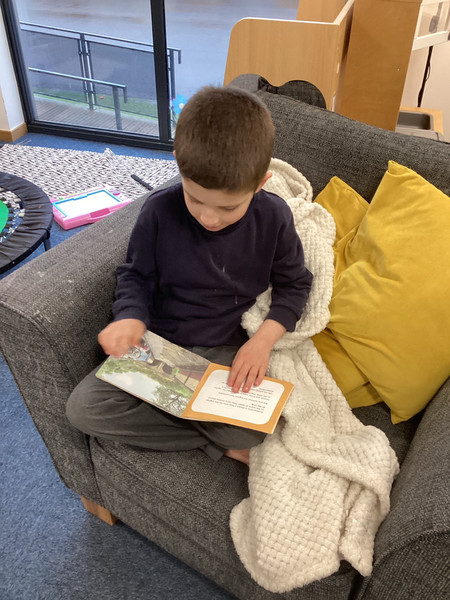
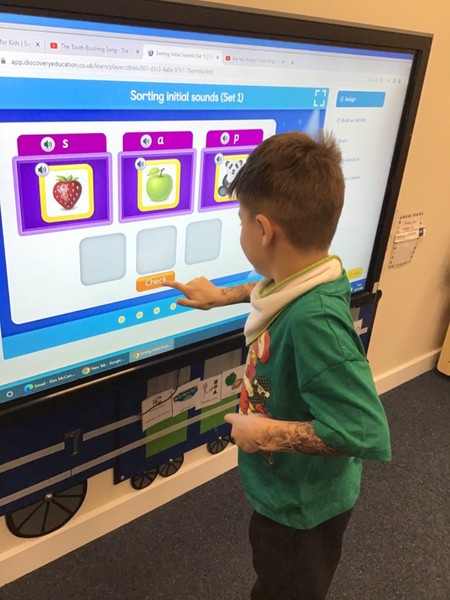
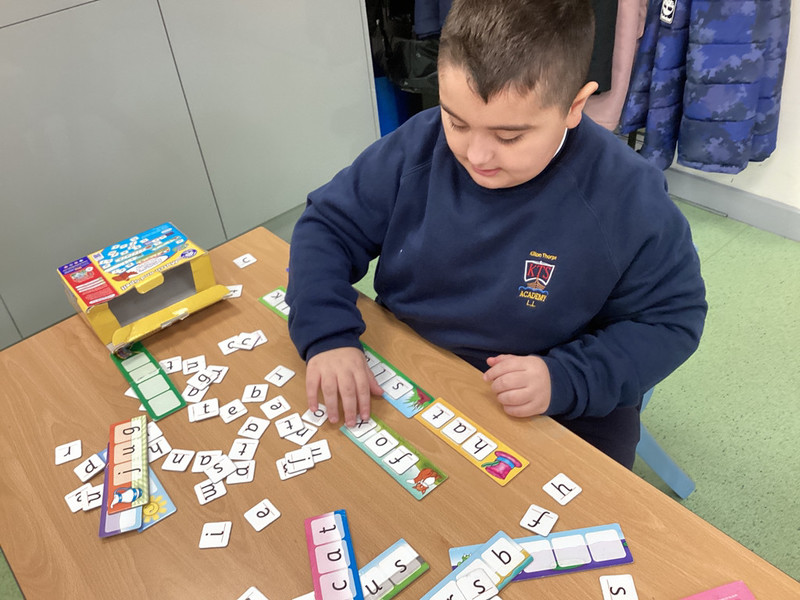
Literacy is at the heart of all children’s learning. Literacy enables children both to communicate with others effectively for a variety of purposes and to examine their own and others’ experiences, feelings and ideas, giving them order and meaning. Because literacy is central to children’s intellectual, emotional and social development, it has an essential role across the curriculum and helps pupils’ learning. Our approach is driven by the conviction that with the right support, pupils can make meaningful progress toward functional literacy. For over a decade, we have been at the forefront of teaching Systematic Synthetic Phonics, refining our methods to ensure that every student regardless of their complex needs is given the best possible opportunity to decode the world around them.
Our curriculum is shaped by the latest academic research and Department for Education guidance, which increasingly highlights that direct, systematic phonics instruction is the most effective way for children with SEND to learn to read. While every child at KTS is a unique individual, neurological research suggests that the process of learning to read follows a consistent sequence in the human brain. By following a structured, evidence-based pathway, we ensure our teaching aligns with how children learn. Our long-standing expertise allows us to adapt phonics lessons to ensure they are sensory-rich, pace-appropriate, and accessible, meeting the high expectations set out by the DfE while remaining child-centred.
To deliver this high-quality instruction, we use Read Write Inc. (RWI) as our approved phonics programme. Having utilised this scheme for over ten years, we have gained extensive expertise in adapting its comprehensive framework to suit the varying needs of our learners.
Read Write Inc. provides a structured, progressive sequence that focuses on:
-
Sound-Symbol Correspondence: Teaching the 44 sounds of the English language and how to blend them to form words.
-
Decodable Texts: Providing books that specifically match a pupil's current phonetic knowledge, ensuring they experience success and build confidence.
-
Consistency and Interaction: Using frequent assessment and flexible grouping so that every student works at a level that is both challenging and achievable.
 Print
Print 